UFC: Ultimate Fighting Championship – More Than Just a Fight
- Introduction: The World of UFC: Ultimate Fighting Championship
- From Humble Beginnings: The History of the UFC
- Understanding the Octagon: UFC Rules and Regulations
- Dividing the Dominance: Exploring UFC Weight Classes
- Legends of the Cage: Iconic UFC Fighters
- Beyond the Bells: The Thrill of UFC Events
- UFC: Ultimate Fighting Championship – A Global Phenomenon
UFC: Ultimate Fighting Championship is among the most electrifying and rapidly growing sports phenomena on the planet. As someone who’s followed mixed martial arts for years, I can tell you there’s a unique energy to the Ultimate Fighting Championship that draws you in, a blend of raw athleticism, strategic genius, and unpredictable drama that you just don’t find anywhere else. It’s more than just fighters stepping into a cage; it’s a complex world of dedicated athletes, evolving rules, and historical moments that continue to shape the landscape of combat sports. We’ll delve into what makes this promotion tick, exploring its fascinating history, the rules that govern its contests, the various weight classes where champions are forged, the legendary fighters who’ve graced the octagon, and the events that keep fans on the edge of their seats worldwide.

This image is a fictional image generated by GlobalTrendHub.
From Humble Beginnings: The History of the UFC
The history of the UFC is a compelling story of evolution and overcoming adversity. Founded in 1993 by businessman Art Davie and Brazilian martial artist Rorion Gracie, the initial goal was simple yet audacious: pit different martial arts styles against each other to see which was most effective in a real fight scenario. The first event, UFC 1, held in Denver, Colorado, was a single-elimination tournament with minimal rules and no weight classes.
Those early days were controversial, earning the sport a reputation for being extremely violent and leading to temporary bans in many states. But under new ownership by Zuffa LLC in 2001, led by brothers Lorenzo and Frank Fertitta and the now-ubiquitous Dana White, the organization underwent significant changes. They introduced stricter regulations, including weight classes and mandatory gloves, transforming the perception of mixed martial arts into a legitimate athletic competition.
My own journey as a fan started around this time, witnessing the shift from a controversial spectacle to a regulated sport. It was fascinating to see fighters from different disciplines start to blend techniques, inadvertently creating the foundation for modern MMA as we know it. The launch of the reality show “The Ultimate Fighter” in 2005 was a game-changer, bringing the sport into mainstream consciousness and introducing a new generation of fans to the Ultimate Fighting Championship.
Understanding the Octagon: UFC Rules and Regulations
Forget the early “no rules” tagline; today’s UFC operates under a comprehensive set of guidelines known as the Unified Rules of Mixed Martial Arts. Adopted in the early 2000s, these rules ensure fighter safety and fair competition across different jurisdictions.
Each fight takes place in the signature eight-sided cage, the octagon. Non-title bouts typically consist of three five-minute rounds, while championship fights go for five rounds. There’s a one-minute rest period between rounds.
Judging follows the 10-Point Must System, where the winner of a round receives 10 points, and the loser gets 9 or fewer. Judges score rounds based on effective striking, grappling, control, aggression, and defense. Fouls, like eye gouging, groin strikes, or certain strikes to the back of the head, can result in point deductions or even disqualification.
Just recently, in late 2024, there were updates to the rules regarding what constitutes a ‘grounded’ fighter and the legality of downward elbow strikes, showing the sport continues to adapt for clarity and fighter safety. It’s a constant evolution, ensuring the sport remains dynamic while prioritizing the well-being of the athletes.
“The Unified Rules of Mixed Martial Arts aim to provide a clear set of rules governing professional MMA competition that remain consistent across the jurisdictions…”
Dividing the Dominance: Exploring UFC Weight Classes
Weight classes are fundamental to fair competition in the UFC, ensuring athletes compete against others of similar size and strength. This wasn’t always the case in the early days, which led to some significant mismatches.
The UFC currently features 12 official weight divisions – eight for men and four for women. These range from the lighter divisions like Strawweight (up to 115 lbs for women) and Flyweight (up to 125 lbs) to the heavier classes like Light Heavyweight (up to 205 lbs) and the unrestricted Heavyweight division (up to 265 lbs).
Fighters must make the required weight during the official weigh-ins the day before the event. The process of weight cutting is a significant, and often challenging, part of a fighter’s preparation, where they drastically reduce weight to compete in a lower class. Missing weight can lead to penalties or even fight cancellations.
Each division has its own unique characteristics and style. For example, the Lightweight division is known for its speed and technical skill, while the Heavyweight division often features fights that can end with a single powerful punch. Exploring these different divisions is part of what makes watching the UFC so engaging.
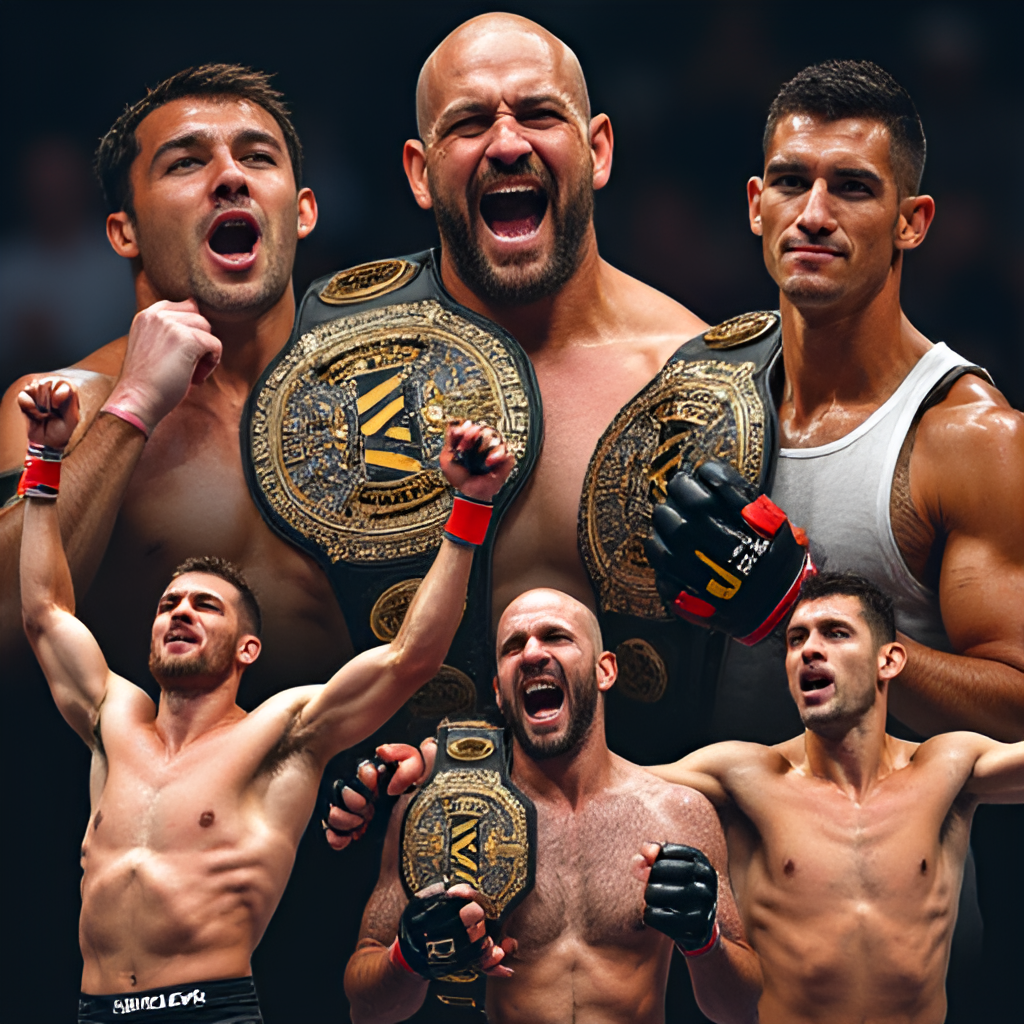
This image is a fictional image generated by GlobalTrendHub.
Legends of the Cage: Iconic UFC Fighters
The UFC’s history is rich with legendary fighters who have left an indelible mark on the sport. Think of pioneers like Royce Gracie, who dominated early tournaments using Brazilian jiu-jitsu when many opponents were specialists in single disciplines. Or the long-reigning champions who defined eras, like Anderson Silva, Georges St-Pierre, and Jon Jones.
More recent stars like Conor McGregor brought unprecedented global attention to the organization, while dominant forces like Khabib Nurmagomedov and Amanda Nunes showcased incredible skill and longevity. Every fan seems to have their personal list of the greatest UFC fighters, sparking endless debates about who belongs at the top.
Watching these athletes perform, seeing their dedication, their sacrifices during training camps, and their courage in the octagon, provides a powerful connection. It’s inspiring to see individuals push their physical and mental limits to achieve greatness in the Ultimate Fighting Championship.
Beyond the Bells: The Thrill of UFC Events
UFC events are the culmination of months of training, strategy, and anticipation. Whether it’s a major pay-per-view numbered event or a weekly Fight Night, the atmosphere is always electric. My personal experience attending a live event was unforgettable – the roar of the crowd, the tension before the opening bell, the sheer athleticism on display; it’s an sensory overload in the best way possible.
Events are typically structured with preliminary fights leading up to a main card, culminating in the highly anticipated main event. The organization hosts events worldwide, bringing the sport to a global audience. From packed arenas to the UFC Performance Institute where athletes train and recover, every element is designed to showcase the sport at its highest level.
The unpredictability is part of the thrill. You never know when you’ll see a stunning knockout, a masterful submission, or a back-and-forth war that goes the distance. It’s this blend of skill, strategy, and raw human competition that makes watching a UFC event such a captivating experience.
We also see incredible moments outside the cage, from respectful interactions between competitors to the camaraderie felt even after a brutal fight. These moments remind us that despite the intensity, there’s a profound level of respect among these professional MMA athletes.
For those who can’t attend live, platforms like ESPN+ and UFC Fight Pass offer extensive coverage, making it easier than ever to follow the action and the journey of your favorite fighters.
UFC: Ultimate Fighting Championship – A Global Phenomenon
In conclusion, UFC: Ultimate Fighting Championship has cemented its place as a premier global sports brand. From its origins as a controversial experiment to its current status as a highly regulated and widely popular sport, the Ultimate Fighting Championship has come a long way. It’s a testament to the dedication of the athletes, the evolution of the rules, and the passion of the fanbase that the UFC continues to grow.
As someone who’s witnessed its journey, I feel the UFC offers something truly unique – a raw, unfiltered display of human capability and competitive spirit. It’s more than just fighting; it’s a complex ecosystem of strategy, discipline, and compelling narratives. The UFC: Ultimate Fighting Championship isn’t just a sport; it’s a cultural force, constantly pushing the boundaries of what’s possible in combat sports and captivating millions around the world.